


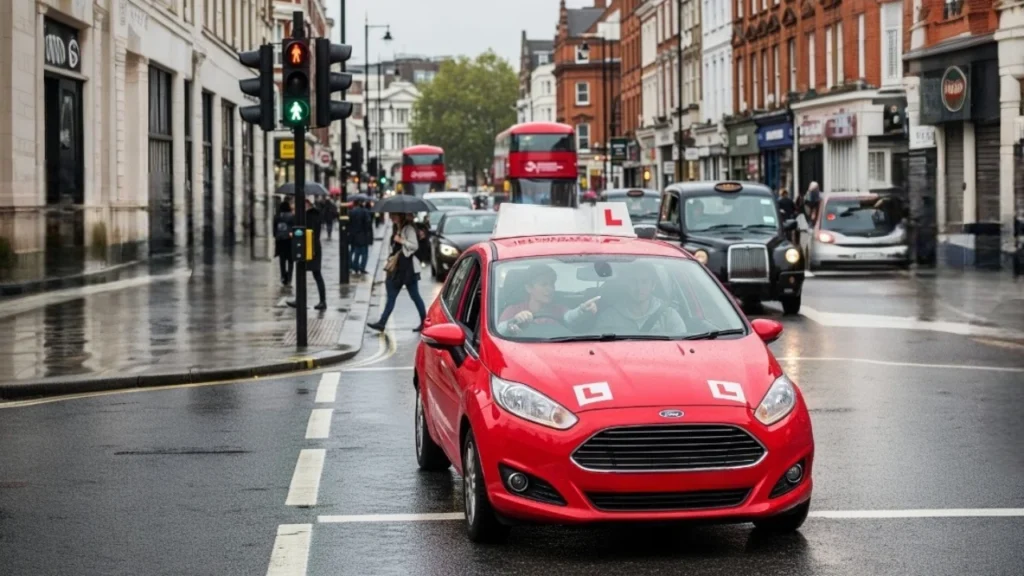
For many learner drivers, the thought of navigating busy city streets is intimidating. Traffic jams, impatient drivers, complex junctions, cyclists, pedestrians, and constant stop-start driving – city traffic tests every skill you’ve learned.
But here’s the truth: learning to handle busy city traffic is essential. Most of us live, work, and drive in urban areas. Mastering city driving makes you a safer, more confident driver overall. This guide will teach you how to stay calm, stay safe, and build confidence in the busiest environments. Whether you’re learning with a driving school in Ilford or have found the cheapest driving instructor near me, these strategies will help. And remember, understanding breaking traffic rules consequences is just as important – city driving requires extra vigilance .
Part 1: Why City Traffic Is Different
The Unique Challenges
| Challenge | Why It’s Harder |
|---|---|
| Stop-start traffic | Constant clutch and brake use, fatigue |
| Limited visibility | Buildings, buses, parked cars block your view |
| Complex junctions | Multiple lanes, traffic lights, pedestrian crossings |
| Vulnerable road users | Cyclists, pedestrians, e-scooters appear suddenly |
| Impatient drivers | Aggressive behaviour, tailgating, sudden lane changes |
| Parked cars | Doors opening, people emerging, reduced space |
| One-way systems | Unfamiliar layouts, lane discipline |
| Bus lanes and cycle lanes | Need to know when you can use them |
The Mental Load
City driving requires higher levels of concentration than rural or motorway driving. You’re processing more information, making more decisions, and reacting more frequently. This can be exhausting for new drivers.
The Good News
City driving is excellent practice. Every skill you develop in busy traffic – observation, anticipation, clutch control, hazard perception – will make you a better driver everywhere.
Part 2: Essential Skills for City Driving
1. Advanced Observation
In city traffic, you need to look much further ahead than the car immediately in front.
What to look for:
- Brake lights 3-4 cars ahead
- Pedestrians near the kerb (might step out)
- Cyclists filtering on your left
- Bus stopping ahead (people may emerge)
- Traffic light phases (anticipate changes)
- Vehicles pulling out from side roads
The 12-second rule: Try to look at least 12 seconds ahead. At 30mph, that’s about 160 metres.
2. Perfect Clutch Control
Stop-start traffic is where clutch control really matters.
Tips:
- Find the biting point and let the car creep
- Avoid “riding the clutch” (resting your foot on it)
- Use first gear and clutch control for slow traffic
- Don’t rev the engine excessively – it wastes fuel
3. Mirror Checks
In city traffic, you need to check mirrors more frequently – every 5-8 seconds.
Why:
- Cyclists and motorcyclists filter constantly
- Buses change lanes unexpectedly
- Other drivers may be impatient and make sudden moves
4. Planning and Anticipation
The best city drivers anticipate what will happen, not just react to what’s happening.
Practice asking:
- “What might that pedestrian do?”
- “Is that cyclist about to move out?”
- “Will that bus pull away soon?”
- “Is that gap going to close?”
Part 3: Building City Driving Confidence – Step by Step
Don’t Jump in the Deep End
Build up gradually. Don’t start in central London at rush hour.
| Stage | Where to Practice | When |
|---|---|---|
| 1 | Quiet residential streets | Off-peak (midday, weekend mornings) |
| 2 | Local high street | Off-peak |
| 3 | Busy A-road through town | Off-peak |
| 4 | City centre | Off-peak |
| 5 | Rush hour traffic | Gradually, in short sessions |
The “Off-Peak” Strategy
Start city driving practice at quiet times:
- Sunday mornings – the quietest time
- Midday (11am-2pm) – lighter traffic
- Evenings after 7pm – less congestion
Once confident, gradually introduce busier times.
Short Sessions
City driving is mentally tiring. Start with 30-minute sessions and build up.
Use an Experienced Passenger
For private practice, take an experienced driver who can help with navigation and spotting hazards.
Part 4: Handling Specific City Situations
Traffic Jams (Stop-Start)
Technique:
- Use clutch control to creep forward at walking pace
- Leave a small gap – not too close to the car ahead
- Don’t rush to close gaps – you’ll just brake again
- Use engine braking when possible
- At long stops, apply handbrake and go to neutral to rest your leg
Patience is key: Getting frustrated won’t make traffic move faster.
Busy Junctions and Roundabouts
Tips:
- Position yourself early – know which lane you need
- Make eye contact with other drivers where possible
- Be decisive – if it’s safe to go, GO
- But don’t rush – waiting for a safe gap is better than causing a collision
- Watch for cyclists and motorcyclists in your blind spots
One-Way Systems
How to handle them:
- Read the signs before you enter
- Know which lane you need for your exit
- Watch for bus lanes and cycle lanes
- Take your time – don’t let impatient drivers rush you
If you miss your turn: Don’t panic. Continue safely and re-route. It’s better to go the wrong way than make a dangerous manoeuvre.
Pedestrian Crossings
Types to watch for:
- Zebra crossings – pedestrians have right of way once on the crossing
- Pelican crossings – traffic lights, wait for green
- Toucan crossings – cyclists and pedestrians
- School crossings – patrol officers have authority to stop traffic
Always: Look for pedestrians waiting to cross. Be prepared to stop.
Cyclists and E-Scooters
Rules for sharing the road:
- Leave at least 1.5 metres when overtaking
- Check mirrors and blind spots before turning left
- Look for cyclists filtering on your left at junctions
- Be aware that e-scooters are quieter and can appear suddenly
Remember: Vulnerable road users have priority in the hierarchy of road users (Highway Code Rule H1).
Buses
What to watch for:
- Buses pulling out from stops – they have priority in some areas
- People emerging from behind buses
- Buses changing lanes suddenly
- Bus lanes – know when you can and can’t use them
Emergency Vehicles
If you hear sirens:
- Stay calm
- Check mirrors
- Don’t stop abruptly – find a safe place to pull over
- Don’t mount the kerb unless necessary
- Remember: they’re trained to navigate traffic
Part 5: Managing Stress in City Traffic
Recognise the Signs
- Grip tightening on the steering wheel
- Shallow breathing
- Feeling rushed or angry at other drivers
- Fatigue setting in
Calming Techniques
Breathing:
Use the 4-7-8 technique – in for 4, hold for 7, out for 8.
Acceptance:
Traffic is part of city driving. Getting frustrated doesn’t help. Accept it and focus on what you can control.
Music or podcasts:
Calming music or engaging podcasts can reduce stress.
Take breaks:
If you’re feeling overwhelmed, pull over safely and take a 5-minute break.
What NOT to Do
- ❌ Don’t react to aggressive drivers – let them go
- ❌ Don’t rush to close gaps – you’ll just brake again
- ❌ Don’t block yellow box junctions – even if pressured
- ❌ Don’t use your phone – ever
Part 6: Common Learner Mistakes in City Traffic
| Mistake | Why It’s a Problem | How to Fix It |
|---|---|---|
| Following too close | No time to react | Maintain 2-second rule (4 in rain) |
| Poor observation | Missing hazards | Look 12 seconds ahead, check mirrors every 5-8 seconds |
| Stalling under pressure | Panic when traffic stops | Practice clutch control, take your time |
| Blocking junctions | Causes gridlock | Don’t enter unless exit is clear |
| Hesitating excessively | Confuses other drivers | If it’s safe, go – be decisive |
| Rushing amber lights | Risky, could be red | If you can stop safely, stop |
| Not checking blind spots | Missing cyclists | Always check before changing lane or turning |
The Yellow Box Junction Rule
Never enter a yellow box junction unless your exit is clear. Blocking a yellow box can result in a Penalty Charge Notice (PCN) of up to £130 in London .
Part 7: Private Practice in City Traffic
Choosing Practice Locations
Start with:
- Quiet residential streets
- Local high streets (off-peak)
- Industrial estates (evenings/weekends)
Progress to:
- Busier A-roads through town
- City centre (off-peak)
- Rush hour (short sessions)
The Supervisor’s Role
A good supervisor should:
- Help with navigation (so you focus on driving)
- Point out hazards you might miss
- Stay calm – not add to your stress
- Debrief after each session
Session Structure
- 30-45 minutes maximum for city driving
- Same route multiple times to build familiarity
- Gradually increase challenge
Part 8: What Examiners Look For
On your driving test, examiners assess city driving skills including:
| Skill | What They Want to See |
|---|---|
| Observation | Looking ahead, checking mirrors, scanning junctions |
| Positioning | Correct lane choice, safe distance from parked cars |
| Progress | Making reasonable progress, not hesitating excessively |
| Response to signs | Obeying traffic lights, bus lanes, yellow boxes |
| Vulnerable road users | Awareness of cyclists, pedestrians |
| Control | Smooth clutch use, appropriate speed |
Common Test Fails in City Traffic
According to DVSA data, city-related faults are among the most common:
- Junctions – observation (not looking properly)
- Response to traffic lights (amber light decisions)
- Positioning (lane choice, passing parked cars)
- Pedestrian crossings (not being aware)
Part 9: The Role of Professional Instruction
A good instructor from a driving school in Ilford like Driving Academy Ltd will:
- Introduce city traffic gradually – not on your first lesson
- Teach you the test routes – including busy city junctions
- Provide real-time feedback – correcting mistakes as they happen
- Build your confidence – with patient, structured lessons
- Prepare you for the test – mock tests in city conditions
This is why choosing a quality school over simply the cheapest driving instructor near me matters. City driving requires expert guidance to build the right habits .
Part 10: Quick Reference – City Driving Checklist
| Before You Drive | During the Drive | If Stressed |
|---|---|---|
| Plan your route | Look 12 seconds ahead | Breathe deeply |
| Check traffic apps | Check mirrors every 5-8 seconds | Accept traffic is normal |
| Allow extra time | Leave safe following distance | Pull over if overwhelmed |
| Stay hydrated | Watch for vulnerable users | Take a break |
| Turn off phone distractions | Be decisive but patient | Remember: you’re learning |
Conclusion: Confidence Comes with Practice
Handling busy city traffic as a learner is challenging, but it’s also where you’ll grow the most as a driver. Every junction navigated, every cyclist spotted, every smooth stop-start is building your skills.
Remember:
- Build up gradually – quiet times first, then busier
- Look ahead – anticipation is key
- Stay calm – frustration doesn’t help
- Be patient with yourself – everyone learns at their own pace
- Trust your training – you’ve got the skills
Ready to master city driving with expert guidance?
📞 Call Driving Academy Ltd at 07399 696344 – Our patient instructors in Ilford and London specialise in building confidence in all traffic conditions.
📧 Email: drivingacademyltd@gmail.com
📍 Visit Us: 101 Whitechapel High Street, London, E1 7RA
Your journey to confident city driving starts here. Book your lesson today.