


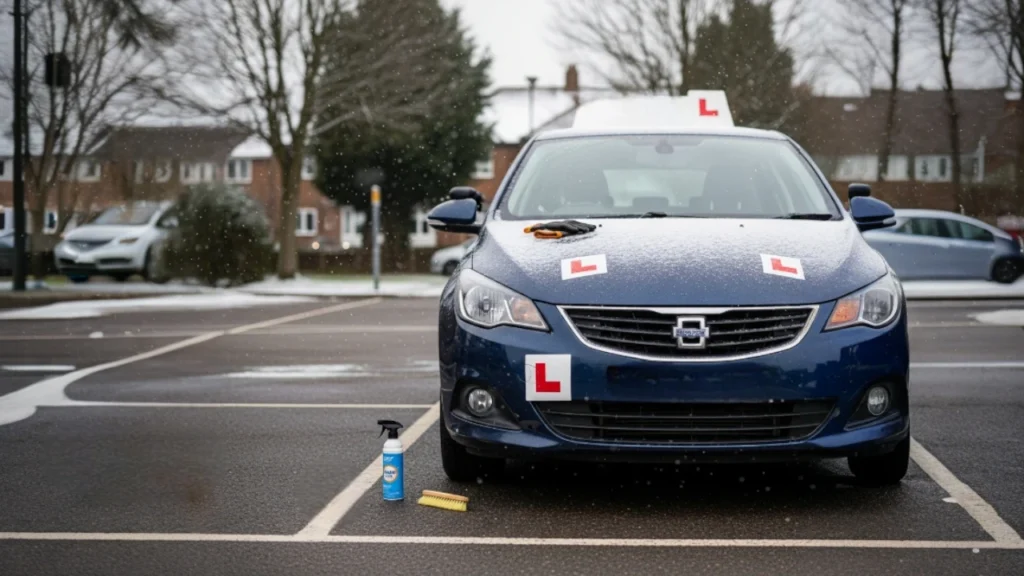
As temperatures drop and daylight hours shorten, UK roads transform, presenting unique challenges that test both vehicle and driver. Mastering winter car care tips for UK drivers is not merely about convenience—it’s a critical component of road safety. From sudden frost to prolonged cold snaps, being unprepared can lead to breakdowns, accidents, and costly repairs. This comprehensive guide, compiled with insights from experienced instructors at Driving Academy Ltd, provides the essential knowledge every driver needs. Whether you’re a new driver who just passed with a cheapest driving instructor near me or an experienced motorist in Ilford, these tips will help you and your vehicle survive the winter safely.
Part 1: The Pre-Winter Vehicle Health Check
Don’t wait for the first frost. A proactive check in late autumn is crucial.
1.1 Tyres: Your Only Contact with the Road
- Tread Depth: The legal minimum is 1.6mm, but for winter, 3mm is the recommended minimum for effective water dispersion. Consider investing in winter tyres or all-season tyres for superior cold-weather grip.
- Tyre Pressure: Check weekly, as pressure drops in colder temperatures. Correct pressure ensures optimal grip and fuel efficiency.
- Condition: Look for cracks, bulges, or embedded objects.
1.2 Battery: The Heart of Winter Starts
Cold weather drastically reduces battery efficiency. A battery at 100% capacity in summer can drop to 65% or less in freezing conditions.
- Get It Tested: Most garages offer free battery checks. Replace if it’s over five years old or showing weakness.
- Prevent Drain: Avoid using fans, lights, and heated screens for long periods without the engine running.
1.3 Fluids: Ensuring Systems Don’t Freeze
- Antifreeze/Coolant: Check concentration. A 50/50 mix of antifreeze and water typically protects down to around -34°C. A garage can test this easily.
- Screenwash: Use a screenwash rated for at least -10°C to -20°C. Never use plain water, as it will freeze in the washer system and on your screen.
- Engine Oil: Consider switching to a lower viscosity oil (e.g., 5W-30 instead of 10W-40) if recommended for your car, as it flows better in the cold.
1.4 Lights and Vision
- Clean All Lights: Ensure headlights, taillights, and indicators are clean and fully functional. Winter grime quickly obscures them.
- Wiper Blades: Replace worn blades that smear. Consider winter-specific blades that resist ice buildup.
- Top Up Washer Fluid: As mentioned, use winter-grade fluid liberally.
Part 2: Your Winter Driving Kit Essentials
Keep these items in your boot throughout winter:
- De-icer and a sturdy ice scraper (never use hot water).
- A torch and spare batteries or a wind-up torch.
- A high-visibility jacket and warning triangle.
- A blanket and warm clothes.
- Sturdy footwear (not driving in heavy snow boots).
- A shovel (a compact folding one is ideal).
- Snacks and a bottle of water.
- A fully charged mobile phone and power bank.
Part 3: Daily Winter Routines & De-icing Safely
3.1 The Morning Routine
- Start Gently: Allow extra time. Start the engine and let it run for a minute to circulate oil before driving off gently.
- Clear ALL Windows & Lights Completely: It is illegal and dangerous to drive with obscured windows. Clear all snow from the roof, bonnet, and lights as well.
- Use Air Conditioning: It dehumidifies air, helping to demist side windows faster.
3.2 Safe De-icing
- Never Use Boiling Water: It can crack the glass.
- Avoid Forceful Scraping: Use a proper plastic scraper to avoid scratching.
- Plan Ahead: A windscreen cover the night before can save precious minutes.
Part 4: Adapting Your Driving for Winter Conditions
This is where the skills from a good driving school are paramount. How to drive safely in rain and fog is a foundation, but winter adds ice and snow.
- Smoothness is Key: All inputs—steering, braking, accelerating—must be gentle and progressive. Jerky movements cause loss of grip.
- Braking Distance: Increase your following distance to at least 10 times the normal gap. On ice, it can take ten times longer to stop.
- Dealing with Skids (Front-Wheel Drive): If the front slides (understeer), ease off the accelerator and steer gently where you want to go. If the rear slides (oversteer), steer into the skid (e.g., if the back slides right, steer right) and avoid sudden braking.
- Use Gears: Use a lower gear for better control on slippery inclines and to use engine braking on descents.
- Plan Your Journey: Check weather and traffic reports. Stick to main roads, which are more likely to be gritted.
Part 5: What to Do If You Break Down or Get Stuck
- Find a Safe Place: If possible, pull off the road. Turn on your hazard lights.
- Stay with Your Car: It provides shelter and is easier for recovery services to find.
- Keep Warm: Use your blanket, but ensure the exhaust pipe is clear of snow if you run the engine occasionally for heat to prevent carbon monoxide poisoning.
- Call for Help: Use your mobile to call your breakdown provider.
Conclusion: Confidence Through Preparation
Winter driving in the UK demands respect and preparation. By following these winter car care tips for UK drivers, you transform potential hazards into manageable situations. It combines mechanical preparedness with adapted driving techniques—the very philosophy behind comprehensive driver training. At Driving Academy Ltd, we build the foundational skills, like safe driving in rain and fog, that give you the confidence to adapt to winter’s demands.
Don’t let winter catch you or your car unprepared.
📞 Call Driving Academy Ltd at 07399 696344 – Learn the all-weather driving skills that keep you safe year-round. Based in Whitechapel, serving Ilford and London.
📧 Email: drivingacademyltd@gmail.com
📍 Visit Us: 101 Whitechapel High Street, London, E1 7RA
Invest in skills that last every season. Book your winter-refresher lesson today.