


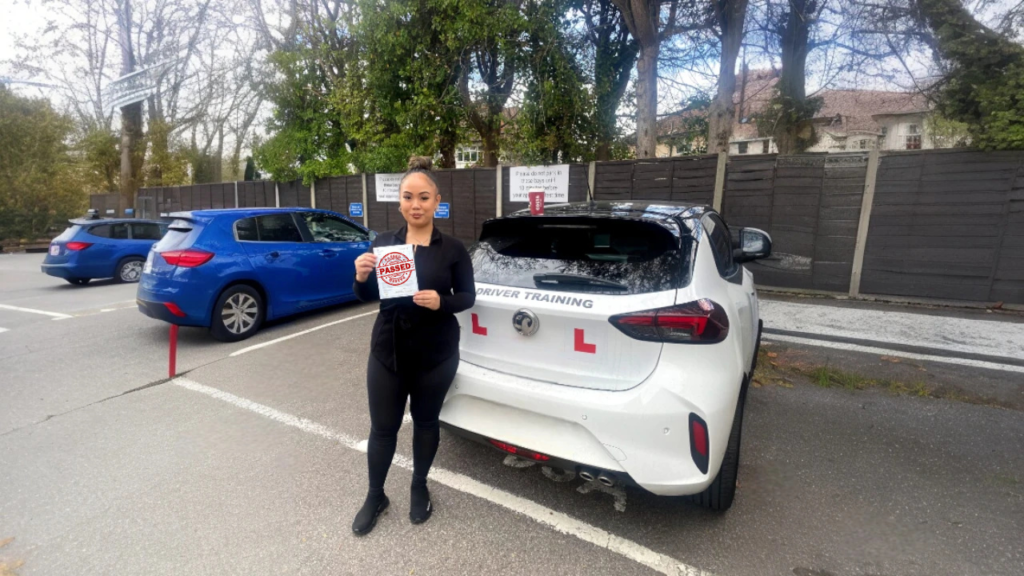
To pass your driving test on your second attempt, strategically analyze your first failure, target your weak areas with focused practice, and master your mindset to conquer nerves. This actionable guide provides the exact steps to ensure you succeed next time.
Introduction: The Second Chance Advantage
Failing your first driving test can feel like a punch to the gut. The mix of disappointment, frustration, and even embarrassment is completely normal. But here’s a secret most people don’t realize: You are now in a uniquely powerful position. You have the one thing first-time test-takers don’t—real, firsthand experience of the test environment, the examiner’s style, and the exact pressure points that caused a stumble. Passing your driving test on your second attempt isn’t about being lucky; it’s about being strategic. This guide isn’t a rehash of basic driving tips. It’s a targeted blueprint that transforms your initial setback into your greatest asset. We’ll focus on mindset, precision practice, and tactical execution to turn your next test into a confident victory.
The Critical First Step: Decoding Your Failure
You cannot fix what you don’t understand. Before you book or even think about more practice, you must conduct a clear-eyed, non-judgmental analysis.
- Get the Official Feedback: Your driving test report sheet is a goldmine. Examiners note specific faults—serious or dangerous faults (immediate fails) and minor faults (marks). Don’t just glance at it; study it.
- Categorize Your Mistake: Was it a…
- Technical Skill Error? (e.g., Poor parallel parking, stalling on a hill start, incorrect mirror-signal-maneuver routine).
- Observational Failure? (e.g., Not checking blind spots, inadequate mirror use before changing speed or direction, missing a pedestrian at a crossing).
- Judgment or Awareness Issue? (e.g., Hesitating too long at a junction, inappropriate speed for conditions, following too closely).
- Nerve-Induced Mistake? (e.g., Blanking under pressure, shaky hands, overcompensating due to anxiety).
- Identify the Root Cause: The fault “failed to observe properly at junction” could stem from not knowing how to look effectively (skill), rushing due to nerves (mindset), or not understanding right-of-way rules (knowledge). Pinpoint the why.
This diagnosis directly informs your prescription for success.
Building an Unshakeable Mindset
Your mental game is 50% of the battle on a second attempt. Fear of repeating failure can be paralyzing. Let’s dismantle that.
- Reframe the Narrative: Stop saying “I failed.” Start saying “I learned what the exam requires.” Your first test was an expensive, high-pressure practice session. You now have invaluable data.
- Normalize the Second Attempt: In many testing regions, the pass rate for first-timers is well below 50%. Needing a second try is incredibly common, not a mark of inability.
- Visualize Success, Not Avoidance: Don’t just visualize not hitting the curb. Vividly imagine the process of driving smoothly. Feel your hands on the wheel, hear the click of the indicator, see your confident mirror checks. Picture the examiner handing you the pass certificate.
- Manage Test-Day Physiology: Anxiety is physical. Practice deep, diaphragmatic breathing before and even during the test (at a safe stop). It signals your nervous system to calm down.
Your Targeted Practice Plan: Quality Over Quantity
Blindly driving around for hours won’t cut it. Your practice must now be surgical.
Drill Your Documented Weaknesses
If your report cited “control on reverse maneuvers,” that’s your new obsession.
- Isolate the Skill: Spend an entire session just on parallel parking. Break it down into micro-steps. Use cones in an empty lot. Practice until it’s muscle memory, then practice more under different simulated conditions.
- Mock Tests are Non-Negotiable: Ask your instructor or a very experienced driver to conduct strict mock tests. Replicate the test route (if known), the silence, the arbitrary instructions. This desensitizes you to the pressure.
- Practice in the Test Area: Familiarity breeds confidence. Drive the roads around the test centre relentlessly. Know every tricky junction, roundabout, and speed limit change.
Master the “Show Me, Tell Me” Questions
These vehicle safety questions at the start of the test are free marks and set the tone. A fluent, confident answer here builds positive momentum. Use official resources like the Driver and Vehicle Standards Agency (DVSA) guide to ensure your knowledge is perfect. Practice them out loud until they are automatic.
Test Day Strategy: Executing Under Pressure
Your preparation is done. Now, it’s about flawless execution.
- The Hour Before: Arrive early but not too early. Avoid sugar/caffeine crashes. Use positive self-talk: “I am prepared. I can do this.”
- The Meet & Greet: Be polite and calm. If you’re nervous, it’s okay to say so briefly. Examiners are human; they see nerves every day.
- During the Drive:
- Commentary Driving (In Your Head): Narrate your actions silently. “Mirror check… signal on… safe to move… check blind spot…” This focuses your mind and ensures you complete all actions.
- Prioritize Safety Over Perfection: If you make a small, non-dangerous error (a slight stall, a minor steering correction), let it go immediately. One minor fault does not fail you. Dwelling on it causes a cascade of errors. Recover smoothly and focus on the next mile.
- Exaggerate Your Observations: Make your head movements for mirror and blind spot checks obvious. This removes any doubt in the examiner’s mind that you’ve looked.
- If You’re Unsure, Ask: If you mishear or don’t understand an instruction, it is far safer to ask for clarification than to guess and perform an unsafe maneuver.
Common Pitfalls to Actively Avoid on Attempt Two
- Overcompensating: Don’t drive excessively slow to avoid speeding faults, as this can constitute a hesitation fault. Drive at a safe, legal, and reasonable speed for the road.
- Assuming Familiarity = Ease: Just because you know the area, don’t get complacent. Adhere strictly to every rule as if you’ve never seen the road before.
- Bringing Baggage: Walk into the test centre leaving the memory of your first test outside. This is a new day and a new assessment.
What to Do Immediately After the Test (Pass or Fail)
- If You Pass: Celebrate! But also, mentally note what went well. This reinforces good habits for a lifetime of safe driving.
- If You (Heaven Forbid) Don’t Pass: Request detailed feedback on the spot. Book your next test as soon as eligible to maintain momentum. Revisit your diagnosis and practice plan with even greater specificity.
Frequently Asked Questions (FAQs)
How long should I wait before taking my second driving test?
Wait long enough to complete a targeted, high-quality practice plan addressing your specific faults, but not so long that your skills deteriorate or anxiety builds. For most, 2-4 weeks of focused practice is a solid window.
Should I change my instructor before a second attempt?
Not necessarily. Your current instructor now knows your test weaknesses intimately. However, if your relationship has broken down or their teaching style isn’t addressing your gaps, a single session with a different instructor for a fresh perspective can be invaluable.
Is the examiner harder on you during a second test?
No. Examiners follow a strict, standardized marking scheme. They have no vested interest in you failing. They are assessing your performance on that day alone, not your history.
What’s the single most important thing to focus on during the retest?
Observations. Systematic, constant, and exaggerated mirror and blind spot checks cover a multitude of sins and are the hallmark of a safe, aware driver in the examiner’s eyes.
Can I use the same car for my second test?
Absolutely, and you should. Using a familiar vehicle where you know the clutch bite point, mirror sightlines, and overall feel removes a major variable and boosts your confidence.
Conclusion: From Setback to Success Story
Failing your first driving test is not a verdict on your ability to drive; it’s a lesson in the unique challenge of performing under official scrutiny. Your second attempt is an opportunity to demonstrate resilience, adaptability, and true mastery. You have the roadmap: diagnose your errors with precision, retrain with purpose, fortify your mindset, and execute with calm confidence.
Book that retest not with dread, but with determination. Walk in knowing you have turned your biggest weakness into your strongest suit. You are not just trying again; you are strategically conquering the test. Now, take a deep breath, get behind the wheel, and go claim that pass certificate. You’ve got this.
Internal Link Suggestions: (Assuming a driving/learner driver niche)
- “Building confidence is key. Read our guide on Overcoming Driving Anxiety as a New Learner.”
- “Need to master the basics? Revisit our Ultimate Guide to Mirror-Signal-Maneuver.”
- “Understanding the test is crucial. See our breakdown of The Most Common Driving Test Faults and How to Avoid Them.”
External Authority Sources:
- Official Driver and Vehicle Standards Agency (DVSA) – “Show Me, Tell Me” Questions.
- Royal Society for the Prevention of Accidents (RoSPA) – Advice on Defensive Driving.
- NHS – Guides on managing anxiety and stress techniques.
Read more about Student Success Story: Passed First Time
One Response