


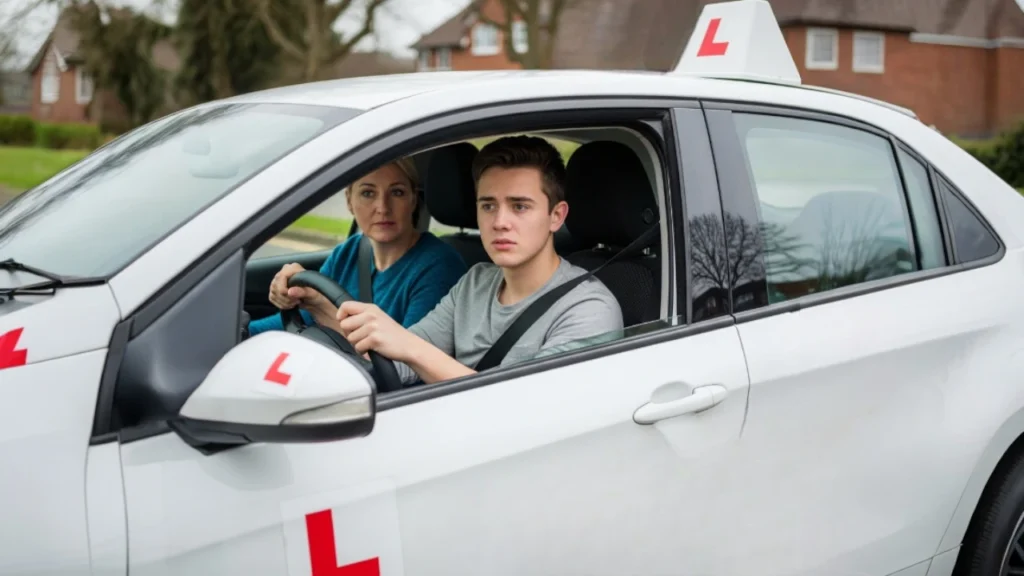
The night before your first driving lesson, your stomach is in knots. You lie awake wondering: “What if I stall? What if I’m terrible? What if the instructor is mean?” These thoughts are completely normal. In fact, first driving lesson nerves are one of the most common experiences shared by every driver who has ever passed their test. That nervousness isn’t a sign you’re not cut out for driving—it’s proof that you care about doing it right. This guide is designed to help beginners like you understand those nerves, manage them effectively, and transform fear into focused, confident learning. Whether you’ve booked with a driving school in Ilford or are still searching for the cheapest driving instructor near me, these strategies will set you up for success from the very first moment you get behind the wheel. And once you’re past those first nerves, you’ll be ready to think about the best time to book your driving test for faster dates and continue your journey to becoming a qualified driver.
Part 1: Understanding Why First Lesson Nerves Are So Common
The Perfect Storm of Anxiety
Your first driving lesson combines several anxiety-provoking elements:
- Fear of the Unknown: You’re about to do something you’ve never done before, in a car you don’t know, with a stranger beside you.
- Fear of Judgment: What will the instructor think of you? What if you make a fool of yourself?
- Fear of Failure: Deep down, you’re worried this might confirm you “can’t drive.”
- Fear of Losing Control: You’re putting your safety in someone else’s hands (even though they have dual controls).
The Good News
Every single qualified driver on the road today had a first lesson. Every one of them felt nervous. And every one of them got through it. Your nerves are not a barrier—they’re a normal part of the process.
Part 2: What Actually Happens in Your First Lesson
One of the biggest causes of nerves is not knowing what to expect. Let’s demystify that first hour.
The Typical First Lesson Structure
First 5-10 Minutes: Introduction and Paperwork
- Your instructor will introduce themselves and check your provisional licence.
- You’ll have a chat about your experience level (zero is fine!).
- They’ll explain the car’s dual controls and how they work as your safety net.
Next 10 Minutes: The Cockpit Drill
Before you move an inch, your instructor will walk you through the “cockpit drill”:
- Doors: Ensure all doors are properly closed.
- Seat: Adjust your seat so you can reach the pedals comfortably.
- Steering: Adjust the steering wheel if needed.
- Seatbelt: Fasten yours and ensure it’s comfortable.
- Mirrors: Adjust your interior and door mirrors.
Next 10-15 Minutes: Getting Familiar with the Controls
Your instructor will explain:
- The pedals (clutch, brake, accelerator)
- The gear stick
- The handbrake
- Indicators, lights, and wipers
- The dashboard instruments
Final 20-30 Minutes: Your First Time Moving
In a quiet, low-risk area (often a residential street or empty car park), your instructor will guide you through:
- Moving off (pressing the clutch, selecting first gear, finding the biting point)
- Stopping (gently using the brake)
- Simple steering
Key Point: You won’t be thrown into busy traffic. Your first lesson is about getting comfortable with the car in a safe, controlled environment.
Part 3: 10 Proven Strategies to Calm First Lesson Nerves
1. Choose the Right Instructor
This is the single most important factor. A patient, experienced instructor from a reputable driving school will understand your nerves and know how to put you at ease. They’ve seen hundreds of nervous beginners. They know exactly what to do.
2. Be Prepared the Night Before
- Get a good night’s sleep. Tiredness magnifies anxiety.
- Pack your provisional licence where you won’t forget it.
- Wear comfortable clothes and shoes. Thin-soled shoes give better pedal feel.
- Eat a light meal. Driving on an empty stomach can make you lightheaded; a heavy meal can make you sluggish.
3. Arrive Early, But Not Too Early
Aim to arrive 5-10 minutes early. This gives you time to settle without sitting and worrying for too long.
4. Talk to Your Instructor
Tell them you’re nervous! A good instructor will appreciate your honesty and adjust their approach. They might explain things more slowly, offer extra encouragement, or just chat to distract you.
5. Remember: You’re in Control (Sort Of)
Your instructor has dual controls, but they are there to support you, not take over. They will only intervene if absolutely necessary. The car moves because of your actions.
6. Breathe
When nerves spike, your breathing becomes shallow. Before you start the engine, take a few deep breaths: in for 4 counts, hold for 4, out for 6. This activates your body’s relaxation response.
7. Focus on the Process, Not Perfection
Your first lesson isn’t about being good. It’s about learning. Stalling is normal. Forgetting which pedal is which is normal. Every “mistake” is a learning opportunity.
8. Use Positive Self-Talk
Replace “I’m going to be terrible” with “I’m here to learn.” Replace “Everyone will judge me” with “Every driver started exactly where I am.”
9. Remember the Safety Net
Your instructor has dual controls. They can brake, steer, and control the clutch if needed. You are physically incapable of causing a dangerous situation because they won’t let you. That’s a huge comfort.
10. Celebrate Small Wins
After the lesson, reflect on what you achieved. You moved a car! That’s amazing. Focus on the positives, not on the moments you stalled.
Part 4: What If You’re Still Nervous After the First Lesson?
It’s normal to need a few lessons to truly relax. If nerves persist:
- Stick with the same instructor. Consistency builds familiarity and trust.
- Practice in quiet areas. Your instructor will gradually increase the challenge.
- Ask for a recap. If you’re unsure about something from a previous lesson, ask to go over it again.
- Consider shorter, more frequent lessons. Two 1-hour lessons per week can build momentum better than one 2-hour lesson.
Part 5: The Role of a Great Driving School
A quality driving school in Ilford like Driving Academy Ltd understands that first driving lesson nerves are part of the journey. Our approach includes:
- Patient, experienced instructors who specialise in nervous beginners.
- A calm, structured learning environment with clear progression.
- Positive reinforcement – we focus on what you’re doing right.
- Flexible lesson lengths to suit your comfort level.
This is why choosing a professional school matters more than simply finding the cheapest driving instructor near me. The right instructor doesn’t just teach you to drive; they help you build confidence from the ground up.
Part 6: From First Lesson to Test Day
Once you’ve conquered those first lesson nerves, a whole journey opens up. You’ll progress from quiet streets to busy roundabouts, from day driving to night driving. Eventually, you’ll be ready to think about booking your test. A good instructor will also advise you on the best time to book your driving test for faster dates – there are strategies to find cancellations and earlier slots that many learners don’t know about.
But for now, just focus on the first step: getting in the car and giving it a go.
Part 7: Common Questions from Nervous Beginners
“What if I stall and hold up traffic?”
You will stall. Everyone does. Other drivers have all stalled before. They will wait the few seconds it takes you to restart. It’s really not a big deal.
“What if the instructor thinks I’m stupid?”
A professional instructor has taught hundreds of students. They know that everyone learns at their own pace. They are not judging you; they are teaching you.
“What if I can’t do it?”
Almost everyone can learn to drive. It’s a skill, not a talent. With the right instruction and practice, you will get there.
“What if I have a panic attack?”
Tell your instructor. They can pull over safely, let you take a break, and help you calm down. Your safety and comfort are the priority.
“How long until I feel confident?”
It varies. Some people feel comfortable after 3-4 lessons. Others take longer. There’s no race. The goal is to become a safe driver, not a fast learner.
Part 8: A Message from Our Instructors
“Some of our most successful students were the ones who were most nervous on day one. Why? Because they took it seriously. They listened carefully. They didn’t develop bad habits by being overconfident. If you’re nervous, you’re exactly where you need to be – ready to learn properly.” – Michael, Senior Instructor at Driving Academy Ltd
Conclusion: Take a Deep Breath – You’ve Got This
First driving lesson nerves are not a sign of weakness. They’re a sign that you care about doing something new and important. Every driver on the road remembers that first lesson, and every one of them got through it. So can you.
Your first lesson is just about getting comfortable. It’s about learning where the pedals are, how the car feels, and that the person beside you is there to help, not judge. There’s no test, no pass or fail – just discovery.
Ready to take that first step with an instructor who understands?
📞 Call Driving Academy Ltd at 07399 696344 – Our patient, experienced instructors in Ilford and London specialise in helping nervous beginners build confidence from lesson one.
📧 Email: drivingacademyltd@gmail.com
📍 Visit Us: 101 Whitechapel High Street, London, E1 7RA
Your driving journey starts here – nerves and all. We’ll guide you through.