


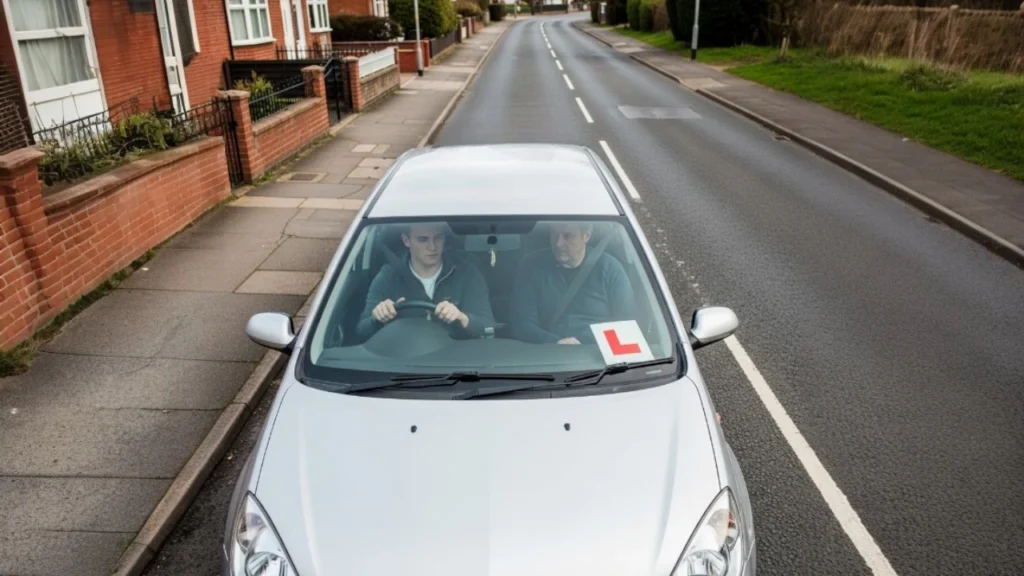
For many learners, the clutch pedal is the most mysterious and intimidating part of learning to drive a manual car. That third pedal seems to have a mind of its own – causing jerky starts, embarrassing stalls, and moments of panic at junctions. But here’s the truth: clutch control for manual learners is a skill like any other. It can be learned, practised, and mastered. Once you understand how the clutch works and develop the muscle memory to control it smoothly, everything else becomes easier. This guide breaks down everything you need to know, from finding the biting point to tackling hill starts with confidence. Whether you’re learning with a driving school in Ilford or have found the cheapest driving instructor near me, mastering clutch control is essential for passing your test and enjoying stress-free driving. It’s one of the most important tips to pass your driving test you’ll ever learn.
Part 1: Understanding the Clutch – What It Does and Why It Matters
What Is the Clutch?
The clutch connects your engine to your wheels. When you press the clutch pedal down, you disconnect the engine from the wheels. When you release it, you connect them. This allows you to:
- Change gears smoothly
- Stop without stalling
- Move off from a standstill
- Control your speed in slow traffic
The Three Pedals in a Manual Car
| Pedal | Position | Function |
|---|---|---|
| Clutch | Left | Controls engine connection |
| Brake | Middle | Slows the car |
| Accelerator | Right | Increases speed |
Your left foot operates ONLY the clutch. Your right foot operates the brake and accelerator.
Part 2: Finding the Biting Point – The Most Important Skill
The “biting point” (also called the friction point) is the position where the clutch plates start to engage and the car begins to move. Finding it smoothly is the foundation of clutch control for manual learners.
How to Find the Biting Point
- Find a flat, quiet area – a car park or quiet residential street is perfect.
- Press the clutch fully down with your left foot.
- Select first gear.
- Keep your right foot on the brake (to prevent rolling).
- Slowly lift the clutch pedal until you feel the car “pull” slightly and hear the engine note drop a little.
- You’ll feel the front of the car rise slightly – that’s the biting point.
The sensation: The car will feel like it wants to move. It might vibrate gently. The rev counter (if you have one) will drop slightly.
Practice Makes Permanent
Repeat this exercise until you can find the biting point without looking at your feet. Close your eyes and feel it. This muscle memory is what separates confident drivers from nervous ones.
Part 3: Moving Off Smoothly – The Complete Sequence
Once you’ve found the biting point, moving off becomes simple. Follow this sequence every time:
Step 1: Prepare
- Press clutch fully down
- Select first gear
- Find the biting point (as above)
- Keep your right foot on the brake
Step 2: Check
- Check your mirrors
- Check your blind spot
- Signal if necessary
Step 3: Move
- Release the handbrake
- Slowly lift the clutch a tiny fraction more while simultaneously
- Gently press the accelerator (about 1500-2000 RPM)
- The car will move forward smoothly
Step 4: Drive
- Once moving, fully release the clutch
- Continue accelerating gently
Common mistake: Lifting the clutch too fast causes jerky movement or stalling. Lifting too slowly while revving hard causes the engine to roar without moving much. The key is balance.
Part 4: Clutch Control in Slow Traffic
One of the most useful skills for real-world driving is using the clutch to creep forward in slow-moving traffic.
The “Clutch Control” Technique
- Find the biting point so the car wants to move
- Hold it there – the car will creep forward slowly
- To stop, press the clutch down again
- To go faster, lift the clutch slightly more or add a little gas
This technique allows you to move at walking pace without constantly switching between pedals. It’s essential for:
- Traffic jams
- Queuing at roundabouts
- Parking manoeuvres
Part 5: Changing Gears Smoothly
Good clutch control makes gear changes smooth and seamless.
Upshifting (Moving to a Higher Gear)
- Accelerate to the right speed (around 2000-2500 RPM for petrol, 1500-2000 for diesel)
- Press the clutch fully down
- Move the gear stick to the next gear
- Slowly release the clutch while gently pressing the accelerator
Downshifting (Moving to a Lower Gear)
- Slow down to the appropriate speed
- Press the clutch fully down
- Move the gear stick to the lower gear
- Smoothly release the clutch – you may need a little gas to match the revs
The Golden Rule
Never ride the clutch. This means resting your foot on the clutch pedal when you’re not using it. It causes unnecessary wear and reduces control. Your left foot should be on the footrest when not changing gear.
Part 6: Hill Starts – The Ultimate Clutch Test
Hill starts are where clutch control really matters. The technique is similar to moving off on the flat, but with a few crucial differences.
Step-by-Step Hill Start
- Handbrake on firmly
- Clutch down, first gear
- Find the biting point – you’ll need a slightly higher biting point than on the flat
- Add more gas – about 2000-2500 RPM
- Check mirrors and blind spot
- Release handbrake smoothly – the car should not roll back
- Ease clutch up a fraction more while maintaining gas
- Move away smoothly
If you feel the car rolling back: Immediately press the brake and handbrake, then restart the sequence. Don’t panic – it happens to everyone.
Part 7: Common Clutch Mistakes and How to Fix Them
| Mistake | Why It Happens | How to Fix It |
|---|---|---|
| Stalling | Releasing clutch too quickly or not enough gas | Find biting point first, then add gas smoothly |
| Jerky starts | Inconsistent clutch release | Practice finding biting point until it’s automatic |
| Engine roaring but not moving | Too much gas, not enough clutch | Bring clutch up to meet the gas |
| Car juddering | Biting point too low or engine labouring | Add a little more gas or change down a gear |
| Rolling back on hills | Not enough clutch at biting point | Hold biting point longer before releasing handbrake |
| Riding the clutch | Foot resting on pedal | Left foot on footrest when not changing gear |
| Stalling at junctions | Panic and rushing | Take your time, find biting point before moving |
Part 8: Practice Exercises to Build Muscle Memory
Exercise 1: Biting Point Practice
Find a quiet, flat area. Practice finding the biting point and holding the car stationary using only the clutch (no brake or accelerator). The car should strain against the clutch but not move.
Exercise 2: Slow Crawl
In first gear, find the biting point and let the car creep forward at walking pace. Try to maintain a steady, slow speed using only the clutch (minimal accelerator).
Exercise 3: Stop-Start
Drive a short distance, stop completely, then move off again. Repeat until the sequence feels automatic.
Exercise 4: Hill Repeats
Find a quiet hill and practice hill starts repeatedly until you can do them without thinking.
Part 9: How Professional Instruction Helps
While this guide provides the theory, nothing replaces hands-on practice with a qualified instructor. A professional from a driving school in Ilford like Driving Academy Ltd can:
- Watch your technique and give instant feedback
- Correct bad habits before they become ingrained
- Provide safe practice environments for tricky skills like hill starts
- Build your confidence with patient, structured lessons
This is why choosing a quality school over simply the cheapest driving instructor near me matters. The right instructor makes clutch control feel natural, not frustrating.
Part 10: The Link Between Clutch Control and Passing Your Test
Good clutch control is essential for passing your driving test. Examiners assess:
- Smoothness – jerky starts or clumsy gear changes are noticeable
- Control – especially on hills and in slow traffic
- Observation – if you’re fighting the clutch, you’re not observing properly
- Stalls – occasional stalls are minor faults, but repeated stalls can become serious
Mastering clutch control frees up your mental bandwidth to focus on everything else – observation, planning, and decision-making. It’s one of the most important tips to pass your driving test you’ll ever receive.
Conclusion: From Frustration to Fluency
Learning clutch control for manual learners can feel frustrating at first. Your left foot seems clumsy, the car jerks, and stalls happen. But every single driver has been through this. With practice and patience, the movements become automatic. Your foot knows exactly how far to lift. The car responds smoothly. And suddenly, driving becomes what it should be – enjoyable.
Ready to master clutch control with expert guidance?
📞 Call Driving Academy Ltd at 07399 696344 – Our patient instructors in Ilford and London specialise in helping learners develop smooth, confident clutch control.
📧 Email: drivingacademyltd@gmail.com
📍 Visit Us: 101 Whitechapel High Street, London, E1 7RA
Your journey to smooth, confident driving starts here. Book your lesson today.