

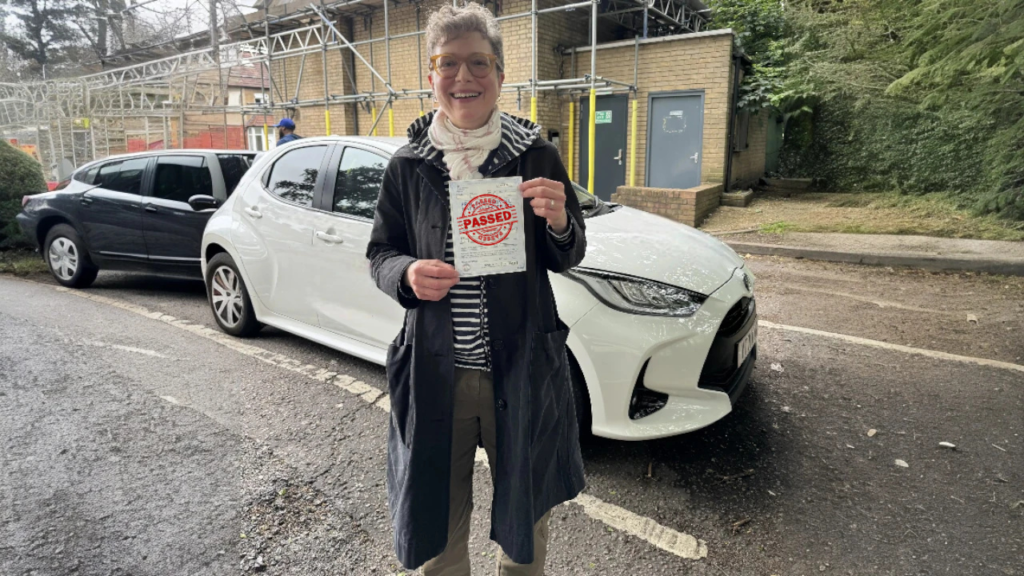
Passing a driving test on the first attempt is a dream for many beginners. For some, it takes weeks of practice; for others, it requires overcoming fear, building confidence, and mastering essential driving skills. This success story highlights how one determined student transformed anxiety into achievement—and passed the test first time.
More importantly, you’ll learn what they did right, the habits that accelerated their progress, and how you can apply these same strategies to get your own first-time pass.
The Beginning: Overcoming Fear and Uncertainty
Like most beginners, this student started out nervous behind the wheel. The steering felt sensitive, the mirrors confusing, and traffic unpredictable. But instead of letting fear take over, they focused on small daily improvements:
- Practicing basic controls at low speed
- Learning car indicators and dashboard signs
- Developing smooth braking and acceleration
- Getting comfortable with steering and road positioning
Those early days weren’t perfect—but they set a strong foundation.
Building Consistency With Smart Practice
One of the biggest reasons for this student’s first-time pass was consistency. Instead of long, exhausting sessions once in a while, they practiced regularly in short but focused intervals:
- 30–45 minutes daily practice
- Weekend sessions on quiet streets
- Gradual progression to busier roads
- Repeating tricky skills until mastered
This routine helped build muscle memory and increased confidence behind the wheel.
Mastering Essential Test Skills
During the preparation phase, the student zeroed in on the most important test areas:
Smooth Gear Control & Speed Management
Understanding when to shift gears and how to maintain the right speed made driving feel natural.
Mirror-Signal-Manoeuvre Technique
They practiced this until it became a habit—critical for safe and exam-ready driving.
Parking & Manoeuvres
Reverse parking, parallel parking, and three-point turns became easy after multiple guided attempts.
Road Signs & Rules
Daily revision using apps and notes helped sharpen theoretical knowledge.
Hazard Perception
The student learned to scan the road ahead, anticipate risks, and react early—something examiners value highly.
Instructor Support: A Major Turning Point
The student credited much of their progress to having a patient, experienced instructor. Key benefits included:
- Clear explanations of complex skills
- Real-world examples of safe driving
- Instant correction and feedback
- Step-by-step guidance on test routes
This supportive learning environment boosted self-belief and reduced mistakes over time.
Mock Tests: The Confidence Booster
To prepare for the actual exam, the student completed multiple mock tests. These helped by:
- Simulating real test pressure
- Identifying weak points
- Building calmness during assessments
- Perfecting timing, control, and attention
By the time the real test arrived, it felt like “just another mock.”
The Test Day: Calm, Focused, and Ready
On the morning of the driving test, the student followed a simple but powerful routine:
- Reviewed key road signs
- Took a short warm-up drive
- Practiced breathing for relaxation
- Stayed positive and avoided overthinking
During the test, they stayed calm, followed instructions clearly, and relied on what they practiced. The result?
Passed on the first attempt—no panic, no hesitation, and no major errors.
What You Can Learn From This Success Story
Here are the core habits that helped this student pass first time:
- Practice consistently, not excessively
- Use mock tests to build familiarity
- Study road rules daily, even for 10 minutes
- Stay calm—confidence improves performance
- Learn from mistakes instead of fearing them
- Trust the process and your preparation
These simple, effective strategies work for every learner driver.
Internal Link Suggestions
- “Essential Driving Skills Every Beginner Should Know”
- “How to Stay Confident During Your Driving Test”
- “Top Mistakes Beginners Make and How to Avoid Them”
External Authoritative Sources
- Government road safety guidelines
- Driving instructor association resources
- Learner driving practice recommendations
- Traffic rules and theory test preparation guides
FAQs
How can I improve faster as a beginner driver?
Practice consistently, focus on one skill at a time, and review your mistakes after every session.
What’s the best way to stay calm on test day?
Deep breathing, positive affirmation, and a short warm-up drive help reduce anxiety.
Are mock tests necessary?
Yes, they prepare you for real test conditions and increase confidence.
How long does it usually take to pass the driving test?
It varies, but consistent learners typically progress within weeks to a few months.
What if I fail the first time?
It’s common—use feedback, practice weak areas, and try again with more confidence.
Conclusion
Passing the driving test on the first attempt is more than possible—it’s achievable with the right mindset, habits, and preparation. This student’s journey proves that confidence, consistent practice, and smart learning strategies make all the difference.
Whether you’re just starting out or preparing for your test soon, remember: every great driver was once a beginner, and your success story can start today.
Read more about Basic Car Maintenance Tips for Beginners
3 Responses