


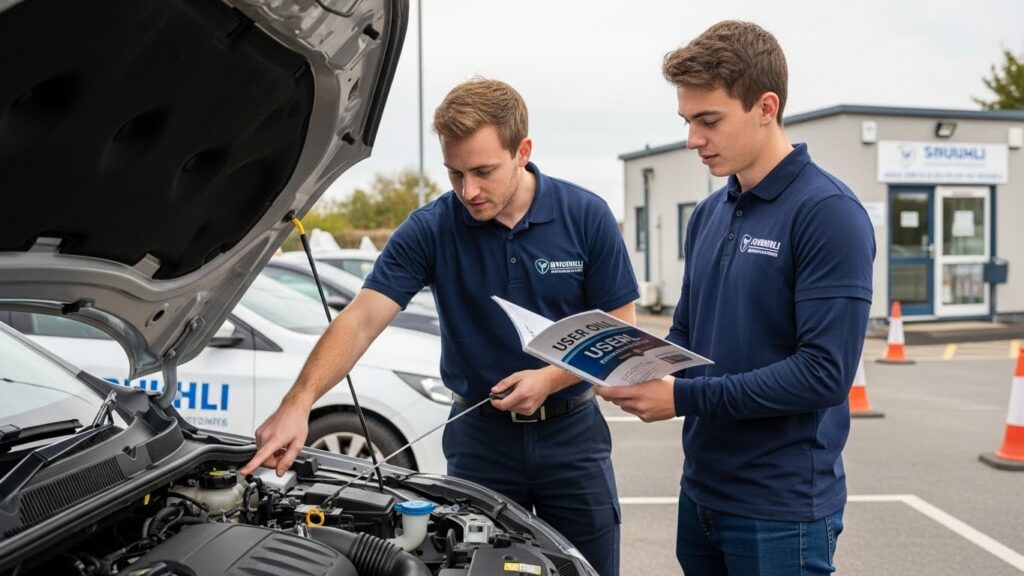
Owning a car comes with responsibility. Regular maintenance ensures your vehicle runs efficiently, stays safe, and lasts longer. Beginners often overlook small maintenance tasks that can prevent major repairs. This guide provides easy-to-follow tips to help anyone maintain their car confidently.
Check and Change Engine Oil Regularly
Engine oil keeps your car running smoothly:
- Check oil level monthly using the dipstick
- Follow manufacturer recommendations for oil change intervals
- Replace oil filters during oil changes
- Use the correct oil type for your car
Proper oil maintenance prevents engine damage and improves fuel efficiency.
Inspect and Maintain Tires
Tires are crucial for safety and performance:
- Check tire pressure monthly
- Rotate tires every 5,000–8,000 miles
- Inspect tread depth for wear and replace when needed
- Align wheels to prevent uneven tire wear
Well-maintained tires improve handling, fuel economy, and braking.
Monitor Brake Health
Brakes are essential for safety:
- Listen for squeaking or grinding sounds
- Check brake pads and discs regularly
- Replace worn-out components promptly
- Test brake responsiveness periodically
Proper brake maintenance ensures safe stopping and prevents accidents.
Check and Refill Fluids
Fluids keep your car functioning:
- Engine coolant prevents overheating
- Brake fluid ensures proper braking
- Transmission fluid supports smooth gear shifts
- Windshield washer fluid keeps visibility clear
Regularly checking fluids prevents mechanical issues and improves safety.
Inspect Belts and Hoses
Belts and hoses power key systems:
- Look for cracks, fraying, or leaks
- Replace worn or damaged belts promptly
- Check hoses for stiffness or bulging
- Follow service intervals recommended by the manufacturer
Maintaining belts and hoses prevents breakdowns and engine damage.
Keep Your Battery Healthy
The battery powers your car’s electrical system:
- Check battery terminals for corrosion
- Ensure battery is securely mounted
- Test battery charge periodically
- Replace batteries every 3–5 years
A healthy battery prevents starting issues and electrical failures.
Replace Air and Cabin Filters
Filters improve engine performance and air quality:
- Replace engine air filter every 12,000–15,000 miles
- Replace cabin air filter to ensure clean air inside the car
- Check filters more frequently in dusty conditions
Clean filters enhance fuel efficiency and maintain a comfortable driving environment.
Regular Car Wash and Exterior Care
Maintaining your car’s exterior protects it:
- Wash regularly to remove dirt and debris
- Wax periodically to protect paint
- Check for scratches and rust spots
- Keep windows and mirrors clean for visibility
Exterior care prevents corrosion and preserves resale value.
Schedule Professional Inspections
Even with basic maintenance, professional inspections are important:
- Annual or semi-annual checkups at a trusted mechanic
- Diagnose potential issues before they escalate
- Follow manufacturer’s maintenance schedule
- Keep service records for reference
Professional care ensures long-term reliability and safety.
Internal Link Suggestions
- “Essential Car Maintenance Checklist for Beginners”
- “Top Tips for Safe Driving and Vehicle Care”
- “How to Extend the Lifespan of Your Car”
External Authoritative Sources
- AAA – Car Maintenance Tips
- Edmunds – Basic Car Maintenance Guide
- Consumer Reports – Vehicle Care for Beginners
- Car and Driver – Essential Maintenance Advice
FAQs
How often should I change my car oil?
Typically every 5,000–7,500 miles, but follow your car manufacturer’s recommendation.
How do I know when to replace tires?
Check tread depth; replace tires if it’s below 2/32 of an inch or if there’s visible damage.
What should I do if my brakes squeak?
Inspect brake pads and discs; replace worn components immediately to ensure safety.
How can I prevent car battery problems?
Keep terminals clean, check the charge regularly, and replace the battery every 3–5 years.
Is it necessary to do professional inspections if I maintain my car?
Yes, professional inspections catch issues early and ensure long-term reliability.
Conclusion
Basic car maintenance is essential for safety, efficiency, and longevity. By following simple tips like checking oil, brakes, tires, fluids, and battery health, beginners can prevent costly repairs and enjoy reliable performance.
The key to a well-maintained car is consistency, attention, and proactive care, ensuring every drive is safe and stress-free.
Read more about Important UK Road Rules Every Beginner Should Know
One Response