


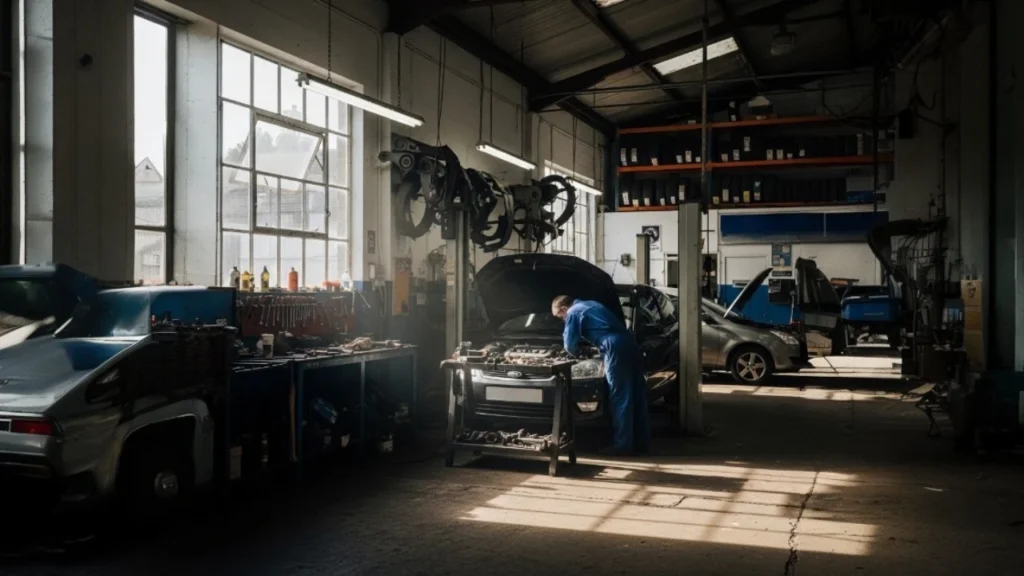
For many drivers, especially new ones, car servicing can feel like an unnecessary expense. It’s tempting to skip or delay it to save money in the short term. But here’s the truth: regular car servicing is important – not just for your vehicle’s health, but for your safety, your wallet, and your peace of mind.
Think of servicing as preventive healthcare for your car. A small investment today can prevent catastrophic failures tomorrow. This guide explains why servicing matters, what happens during a service, and how it connects to safe driving. Whether you’re learning with a driving school in Ilford or have found the cheapest driving instructor near me, understanding the value of servicing is essential. And just as you need to understand breaking traffic rules consequences to stay legal, you need to maintain your car to stay safe on the road .
Part 1: What Is a Car Service?
A car service is a comprehensive inspection of your vehicle by a qualified mechanic. It goes far beyond a basic MOT or oil change.
Service vs MOT
| Aspect | Service | MOT |
|---|---|---|
| Purpose | Maintain and prevent issues | Test legal roadworthiness |
| Frequency | Recommended annually or by mileage | Required annually after 3 years |
| Scope | Comprehensive inspection + replacement | Safety check only |
| Outcome | Health check + maintenance | Pass/fail for legal driving |
Types of Service
| Type | What’s Included | Best For |
|---|---|---|
| Interim Service | Oil change, basic checks | High-mileage drivers (every 6 months) |
| Full Service | Comprehensive inspection + replacements | Annual maintenance |
| Major Service | Everything + additional parts (spark plugs, filters) | Every 2-3 years or high-mileage |
Part 2: The Three Pillars of Why Servicing Matters
Pillar 1: Safety – Your Most Important Reason
A well-serviced car is a safe car. A service critically examines the systems that keep you in control and protected.
| System | What’s Checked | Why It Matters |
|---|---|---|
| Brakes | Pad thickness, disc condition, fluid quality | Worn brakes increase stopping distances dramatically |
| Tyres | Pressure, tread depth, damage | Blowouts or loss of grip cause accidents |
| Steering | Wear, leaks, responsiveness | Faults make car unpredictable |
| Suspension | Shocks, springs, bushings | Affects handling and comfort |
| Lights | All bulbs, alignment | See and be seen |
| Wipers | Blades, washers | Clear vision in rain |
Neglecting these checks isn’t just a financial gamble – it’s a gamble with your safety and the safety of others on the road .
Pillar 2: Reliability – Avoiding Breakdowns
A breakdown is more than an inconvenience – it can be dangerous, stressful, and expensive .
How servicing prevents breakdowns:
- Replaces consumable parts (filters, belts) before they fail
- Identifies hidden issues early (small leaks, worn components)
- Ensures your car starts and runs reliably
The cost of breakdowns:
- Emergency recovery fees
- Towing costs
- Lost time and missed appointments
- Potential danger (especially on motorways)
Pillar 3: Long-Term Cost Savings – Pay a Little Now, Save a Lot Later
This is the most compelling financial argument for regular servicing .
Cost comparison:
| Issue | Prevention Cost | Repair Cost |
|---|---|---|
| Oil change | £50-100 | New engine: £2,000-£4,000+ |
| Brake pads | £150 | New discs + calipers: £400+ |
| Timing belt | £300-500 | New engine: £2,000+ |
| Coolant change | £50 | Overheated engine: £1,500+ |
| Tyre pressure check | Free | New tyre + blowout damage: £200+ |
Additional financial benefits:
- Better fuel economy – well-maintained engines run efficiently
- Higher resale value – full service history adds value
- Avoid MOT failures – regular servicing catches issues before test day
Part 3: What Actually Happens During a Service?
A full service typically includes:
Engine and Performance
- Oil and filter change – the lifeblood of your engine
- Air filter replacement – clean air for combustion
- Spark plugs (petrol) or glow plugs (diesel) – efficient ignition
- Fuel filter (diesel) – clean fuel delivery
Safety Systems
- Brake inspection – pads, discs, fluid, lines
- Tyre inspection – pressure, tread depth, condition, alignment
- Steering and suspension – wear, leaks, responsiveness
- Lighting – all bulbs, alignment, washers
Fluids and Cooling
- Coolant check/top-up – prevents overheating and freezing
- Brake fluid check – moisture content affects braking
- Power steering fluid – smooth steering operation
- Screenwash top-up – clear visibility
Other Checks
- Exhaust system – leaks, security, emissions
- Battery – charge, terminals, age
- Drive belts – wear, tension
- Windscreen and wipers – damage, effectiveness
Part 4: How Often Should You Service Your Car?
General Guidelines
- At least once a year – even if you drive low mileage
- Every 10,000-12,000 miles – whichever comes first
- More frequently for high-mileage drivers – consider interim service every 6 months
Manufacturer Schedules
Your car’s handbook contains the manufacturer’s recommended service schedule. Different components need attention at different intervals:
| Component | Typical Interval |
|---|---|
| Oil and filter | Every 6-12 months or 6,000-12,000 miles |
| Air filter | Every 12-24 months or 12,000-20,000 miles |
| Brake fluid | Every 2 years |
| Coolant | Every 2-5 years |
| Timing belt | Every 5-10 years or 60,000-100,000 miles |
| Spark plugs | Every 20,000-60,000 miles |
The “Time vs Mileage” Rule
If you drive low mileage, servicing by time is still essential. Oil degrades over time, even if you’re not driving much. Short journeys (stop-start city driving) are actually harder on your car than long motorway miles.
Part 5: Warning Signs Your Car Needs Attention
Even with regular servicing, watch for these signs between services:
| Warning Sign | What It Could Mean |
|---|---|
| Dashboard warning light | Various issues – get diagnosed |
| Unusual noises (squealing, knocking) | Worn belts, brakes, suspension |
| Fluid leaks under the car | Oil, coolant, brake fluid leak |
| Vibrations while driving | Wheel balance, alignment, suspension |
| Pulling to one side | Tyre pressure, alignment, brakes |
| Poor fuel economy | Engine issues, tyre pressure |
| Difficulty starting | Battery, starter, alternator |
| Burning smell | Oil leak, overheating, electrical issue |
Don’t ignore warning signs – small problems become big (expensive) ones .
Part 6: Service History – Why It Matters
What Is a Service History?
A service history is a record of all maintenance performed on your vehicle. It typically includes:
- Dates and mileage of services
- Work carried out
- Parts replaced
- Mechanic or garage stamp
Why It’s Important
| For current owners | For future resale |
|---|---|
| Knows what maintenance has been done | Adds significant value to your car |
| Predicts upcoming needs | Proves the car has been cared for |
| Identifies recurring issues | Attracts more buyers |
| Warranty requirements | Provides negotiating power |
A full service history can add hundreds or even thousands to your car’s resale value .
Part 7: Dealer vs Independent Garage
| Aspect | Main Dealer | Independent Garage |
|---|---|---|
| Cost | Higher (£100-200 more) | Lower |
| Expertise | Brand-specific | General, may specialise |
| Parts | Manufacturer parts (more expensive) | Quality aftermarket or OEM |
| Warranty | May be required for manufacturer warranty | May affect warranty |
| Service history | Full dealer history (highest value) | Independent history (still valuable) |
| Convenience | Often better facilities | May be more flexible |
Recommendation: For newer cars under warranty, use a main dealer. For older cars, a trusted independent garage offers excellent value .
Part 8: Service Schedules – What Different Mileages Need
10,000-20,000 Miles / 1-2 Years
- Oil and filter change
- Basic inspection
20,000-40,000 Miles / 2-4 Years
- Oil and filter change
- Air filter replacement
- Brake inspection
- Tyre rotation (if recommended)
- Coolant check
40,000-60,000 Miles / 4-6 Years
- Oil and filter change
- Air and fuel filters
- Brake fluid change
- Spark plugs (petrol)
- Timing belt inspection (replace if needed)
- Full suspension and steering inspection
60,000+ Miles / 6+ Years
- Major service – comprehensive inspection
- Timing belt replacement (if not already done)
- Transmission fluid check
- Full brake system inspection
- Exhaust system check
Part 9: The Connection Between Servicing and Safe Driving
Learning to drive with a driving school in Ilford taught you how to handle the car. But being a truly safe driver means understanding the machine you’re controlling. Regular servicing:
- Prevents breakdowns – especially on motorways
- Saves money – small fixes now prevent big repairs later
- Keeps you legal – avoid MOT failures and fines
- Builds confidence – knowing your car is safe lets you focus on the road
This is especially important for new drivers, who are statistically at higher risk in their first months of independent driving . Good car care is part of being a responsible driver – right up there with understanding breaking traffic rules consequences and obeying the law .
Part 10: Frequently Asked Questions
Q: Can I service my own car?
A: You can perform basic maintenance (oil, filters, fluids), but a professional service includes comprehensive inspections that require expertise and equipment .
Q: How much does a service cost?
A: Interim service: £100-150. Full service: £150-300. Major service: £300-500+ .
Q: Will skipping a service void my warranty?
A: Yes, most manufacturer warranties require servicing at specified intervals .
Q: What’s the difference between an MOT and a service?
A: An MOT checks legal minimum standards. A service maintains and prevents issues .
Q: How do I find a good garage?
A: Look for reviews, ask for recommendations, check for qualifications (e.g., Garage Watchdog, Which? Trusted Trader).
Q: What if I can’t afford a service right now?
A: Prioritise safety-critical items (brakes, tyres, oil). Some garages offer payment plans. But don’t delay indefinitely – prevention is cheaper than repair .
Conclusion: An Ounce of Prevention
Why regular car servicing is important comes down to three things: safety, reliability, and savings. A well-maintained car is a safe car. A serviced car is a reliable car. And a preventative approach is a cost-effective approach.
Don’t wait for a breakdown or an MOT failure to think about your car’s health. Make servicing a regular part of your vehicle ownership. Your car – and your wallet – will thank you.
Ready to become a truly knowledgeable and safe driver?
📞 Call Driving Academy Ltd at 07399 696344 – We teach the skills and the mindset for a lifetime of safe driving. Based in Whitechapel, serving Ilford and London.
📧 Email: drivingacademyltd@gmail.com
📍 Visit Us: 101 Whitechapel High Street, London, E1 7RA
Invest in your skills, then invest in your car’s health. Drive safe, drive smart.