


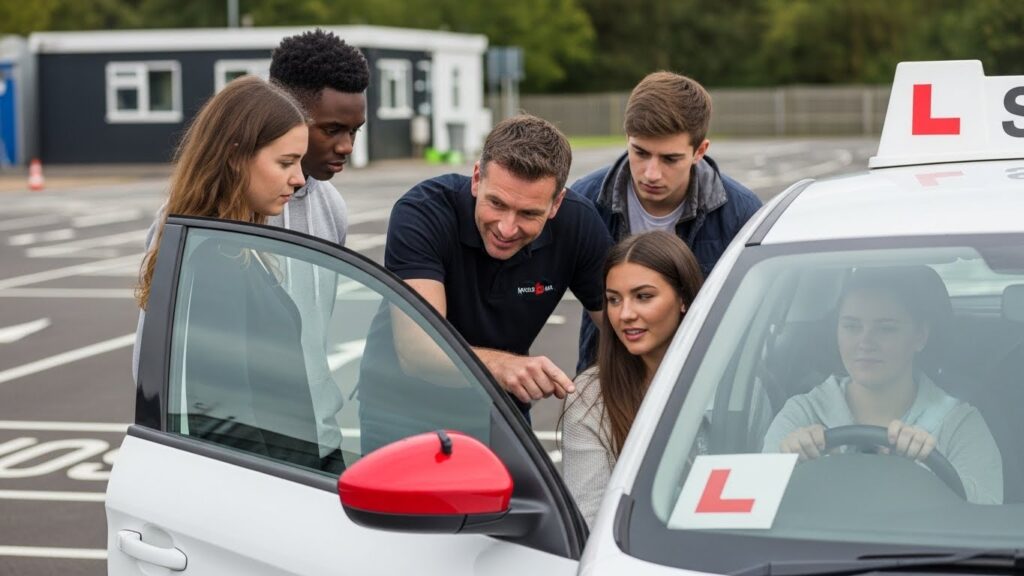
Before hitting the road, beginners need to understand basic vehicle control. This includes starting, stopping, and steering the vehicle smoothly. Practicing gentle acceleration, braking, and steering ensures that your car responds as expected, reducing the chances of accidents.
For manual vehicles, learning clutch control, gear shifting, and coordination with the brake and accelerator is essential. Even for automatic cars, mastering throttle control and smooth braking is crucial. Beginners should practice in an empty parking lot to build confidence before venturing onto busy roads.
Pro Tip: Spend at least 5–10 hours practicing basic maneuvers in a safe environment before driving in traffic.
Mastering Traffic Rules and Road Signs
New drivers must know the rules of the road thoroughly. Understanding speed limits, right-of-way laws, and pedestrian crossings helps prevent violations and accidents.
Recognize common road signs:
- Stop, yield, and no-entry signs
- Speed limit, pedestrian crossing, and school zone signs
- Warning signs for curves, merges, or slippery roads
Example: Misunderstanding a yield sign at an intersection could cause collisions. Take time to study your local traffic regulations and make it a habit to anticipate actions of other drivers.
Defensive Driving Techniques for Beginners
Defensive driving is one of the most critical skills for beginners. It means staying alert, predicting hazards, and driving to prevent accidents rather than reacting to them.
- Maintain safe following distances: Keep at least 3–4 seconds behind the car ahead.
- Stay alert for unexpected actions: Watch for sudden stops, lane changes, and pedestrian movement.
- Avoid risky situations: Don’t drive aggressively or make sharp maneuvers in traffic.
Story Example: Sarah, a new driver, avoided a rear-end collision by leaving enough space to stop when the car ahead braked suddenly. Defensive driving saved her from injury and car damage.
Proper Steering and Turning Skills
Turning and steering require practice to ensure safety. Beginners should learn:
- Smooth turns: Avoid jerky or sharp steering movements.
- Hand-over-hand vs. push-pull steering: Use the appropriate technique for tight or wide turns.
- Lane navigation: Stay within your lane during turns and lane changes.
Practical Tip: Use cones in a parking lot to practice different turn angles. This builds confidence and reduces mistakes on real roads.
Parking Skills Every Beginner Should Master
Parking is one of the most intimidating challenges for new drivers. Beginners should master:
- Parallel parking: Align your car properly, use mirrors, and practice reversing slowly.
- Angle parking: Ideal for shopping centers; ensure you turn smoothly into the space.
- Perpendicular parking: Practice maintaining space on both sides to avoid scrapes.
Pro Tip: Always check mirrors, windows, and blind spots before parking. Using sensors or cameras can help but don’t rely solely on them.
Safe Lane Changing and Merging Skills
Changing lanes and merging into traffic are common yet risky maneuvers. Beginners should remember:
- Check blind spots: Always glance over your shoulder before changing lanes.
- Signal early: Give other drivers ample time to react.
- Adjust speed: Match the flow of traffic when merging onto highways.
Story Example: Jamal avoided a collision on the highway by checking his blind spot carefully and signaling early while merging. Awareness makes merging safer and less stressful.
Understanding Speed Control and Braking
Controlling your speed and braking safely is fundamental for accident prevention. Beginners must:
- Adjust speed according to traffic and weather conditions.
- Master gradual braking for normal stops and emergency braking for sudden obstacles.
- Avoid abrupt stops that could cause collisions.
Practical Tip: Practice braking in different conditions, like wet roads, to understand how your car reacts. This skill can save lives in emergencies.
Night Driving and Adverse Conditions
Driving at night or in poor weather conditions presents additional challenges:
- Reduce speed: Visibility is limited at night or during heavy rain.
- Use headlights effectively: High beams for empty roads, low beams in traffic.
- Adjust for road conditions: Wet, icy, or foggy roads require more braking distance.
Example: A new driver, Alex, learned to drive in rain slowly and kept a safe distance. Avoiding sudden maneuvers in adverse conditions is critical for safety.
Using Technology and Vehicle Safety Features
Modern cars come with advanced safety features that beginners can use wisely:
- ABS and traction control: Help maintain control during sudden braking or slippery roads.
- Lane assist and blind-spot monitoring: Useful for preventing lane departure accidents.
- Navigation tools: Help plan routes safely without distractions.
Pro Tip: Know the limits of technology. Always rely on your skills first and treat features as additional support.
Mindset and Habits for Safe Driving
Driving isn’t just about technical skills; mindset matters:
- Stay calm and patient: Avoid road rage or impulsive decisions.
- Minimize distractions: Phones, music, or food can reduce focus.
- Observation and hazard recognition: Continuously scan the road for risks.
Developing these habits early ensures a foundation for lifelong safe driving. Consistency in observation and patience significantly reduces accidents among new drivers.
Frequently Asked Questions (FAQs)
Can I learn all driving skills without formal lessons?
Yes, but formal lessons provide structured training, feedback, and exposure to complex scenarios, speeding up learning.
How long does it take for a beginner to feel confident driving?
Typically, 6–12 months of consistent practice builds confidence, though it varies based on frequency and exposure to different driving situations.
Is defensive driving really necessary for beginners?
Absolutely. Defensive driving helps anticipate risks, avoid accidents, and build safer driving habits.
What are the most common mistakes new drivers make?
Tailgating, abrupt braking, ignoring blind spots, and overconfidence are typical beginner mistakes.
How can new drivers improve reaction time in emergencies?
Practice hazard recognition, simulate emergency braking in safe environments, and stay alert while driving.
Conclusion
Learning essential driving skills is crucial for beginners to drive safely and confidently. From mastering vehicle control and understanding traffic rules to defensive driving, parking, and handling adverse conditions, these skills form the foundation of responsible driving.
Start practicing regularly, stay patient, and always prioritize safety. Over time, these habits will make you a confident, competent, and defensive driver, prepared to handle any situation on the road.
Internal Link Suggestions:
- “Defensive Driving Tips for Beginners”
- “How to Pass Your Driving Test on the First Try”
- “Best Driving Practices Every New Driver Should Know”
External Authoritative Sources:
- National Highway Traffic Safety Administration (NHTSA)
- AAA Driver Safety Resources
- Local DMV Guidelines
Read more about How to Get Your Provisional Licence in the UK — Step-by-Step Guide (2025–2026)
One Response